
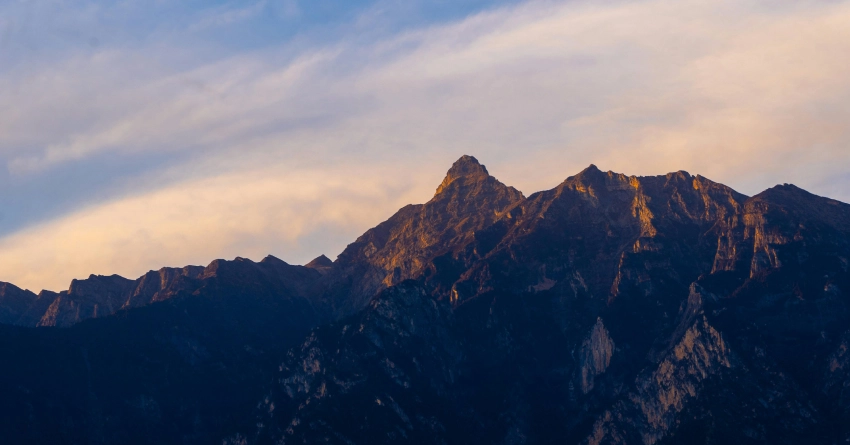
Mountains have always stood as powerful symbols of nature’s strength and mystery. Towering over landscapes, they influence climate, culture, and human imagination. Among all landforms on Earth, a small group of peaks rises to astonishing elevations, earning recognition as the tallest mountains in the world. These mountains are not only remarkable for their height but also for the extreme environments, geological forces, and human stories connected to them.
Most of the tallest mountains are concentrated in South and Central Asia, particularly within the Himalayan and Karakoram ranges. These mountain systems were formed when the Indian tectonic plate collided with the Eurasian plate, forcing massive sections of Earth’s crust upward. This geological process continues today, meaning some of these peaks are still slowly growing taller. Below is an in-depth exploration of the top 10 tallest mountains in the world, measured by elevation above sea level.
1. Mount Everest (8,848.86 meters)
Mount Everest is the tallest mountain on Earth and stands on the border between Nepal and China’s Tibet Autonomous Region. Known locally as Sagarmatha in Nepal and Chomolungma in Tibet, Everest holds deep spiritual and cultural importance for people living in its shadow.
The mountain attracts climbers from around the world, yet it remains one of the most hostile environments humans attempt to enter. Temperatures can drop below minus 40 degrees Celsius, and oxygen levels near the summit are dangerously low. The region above 8,000 meters, often referred to as the death zone, places enormous stress on the human body. Despite these dangers, Everest continues to symbolize ultimate achievement and endurance.
2. K2 (8,611 meters)
K2 is the second tallest mountain in the world and is located in the Karakoram Range along the border of Pakistan and China. Unlike Everest, K2 is not widely accessible and lacks straightforward climbing routes.
The mountain is infamous for its steep faces, unstable weather, and technical difficulty. Climbers must navigate narrow ridges and exposed sections where a single mistake can be fatal. Due to its extreme danger and limited rescue options, K2 has earned a reputation as one of the most unforgiving mountains on Earth. Reaching its summit is considered a rare and elite accomplishment.
3. Kangchenjunga (8,586 meters)
Kangchenjunga ranks as the third tallest mountain in the world and lies on the border between Nepal and India. Its name translates to “Five Treasures of Snow”, referencing the five distinct peaks that make up the massif.
The mountain holds sacred value for local communities, and traditional beliefs encourage climbers to show respect by stopping just short of the summit. Kangchenjunga is far less crowded than Everest, but it is no less dangerous. Harsh weather, remote terrain, and limited infrastructure make expeditions here physically and mentally demanding.
4. Lhotse (8,516 meters)
Lhotse is the fourth tallest mountain in the world and is closely linked to Mount Everest, sharing part of the same climbing route from the Nepalese side. While often overshadowed by its famous neighbor, Lhotse presents serious challenges of its own.
The mountain is best known for the Lhotse Face, a steep wall of ice and snow that climbers must ascend using technical equipment. Sudden weather shifts and falling ice increase the danger. Lhotse remains less commercialized than Everest, making it attractive to climbers seeking a quieter yet equally intense ascent.
5. Makalu (8,485 meters)
Makalu is the fifth tallest mountain in the world and sits on the border between Nepal and China. Its sharply pointed summit gives it a striking pyramid-like appearance, making it one of the most visually dramatic peaks in the Himalayas.
This mountain is known for its technical difficulty. Steep ridges, exposed rock sections, and strong winds make climbing Makalu extremely demanding. Because of its isolation and complex routes, only highly skilled mountaineers attempt this peak. Makalu’s raw and untouched environment adds to both its danger and its appeal.
6. Cho Oyu (8,188 meters)
Cho Oyu is the sixth tallest mountain in the world and lies along the Nepal–Tibet border. Its name means “Turquoise Goddess”, reflecting its importance in local Tibetan culture.
Compared to other mountains over 8,000 meters, Cho Oyu is considered more approachable due to its relatively gradual slopes. This has made it a popular choice for climbers attempting their first expedition at extreme altitude. However, the mountain remains perilous, with risks including altitude sickness, frostbite, and sudden storms.
7. Dhaulagiri I (8,167 meters)
Dhaulagiri I is the seventh tallest mountain in the world and is located entirely within Nepal. The name Dhaulagiri means “White Mountain”, a reference to its snow-covered appearance throughout the year.
The mountain rises sharply above surrounding valleys, creating one of the greatest vertical differences on the planet. Its steep slopes and frequent avalanches make it extremely dangerous. Dhaulagiri’s remote location and challenging conditions mean it sees fewer climbers than many other tall Himalayan peaks.
8. Manaslu (8,163 meters)
Manaslu is the eighth tallest mountain in the world and is situated in western Nepal. The name originates from a Sanskrit word meaning “Mountain of the Spirit”, highlighting its spiritual significance.
In recent years, Manaslu has grown in popularity due to improved access routes. Despite this, it remains one of the more dangerous climbs because of frequent avalanches and unstable snow conditions. The surrounding region is known for its traditional villages and rich cultural heritage, adding depth to the climbing experience.
9. Nanga Parbat (8,126 meters)
Nanga Parbat is the ninth tallest mountain in the world and is located in Pakistan. It stands apart from many other tall peaks due to its isolation from the main Himalayan chain.
The mountain is notorious for its massive Rupal Face, which is considered the tallest mountain face on Earth. This sheer wall rises dramatically from the valley floor and presents extreme technical challenges. Due to its history of fatal accidents, Nanga Parbat is often regarded as one of the most dangerous mountains ever climbed.
10. Annapurna I (8,091 meters)
Annapurna I completes the list as the tenth tallest mountain in the world. Located in central Nepal, it holds a unique place in mountaineering history.
Annapurna I was the first mountain over 8,000 meters to be successfully climbed, marking a major milestone in exploration. However, it remains infamous for its high fatality rate. Avalanches, unstable terrain, and unpredictable weather make Annapurna one of the most hazardous mountains despite its slightly lower height.
The tallest mountains in the world are extraordinary reminders of Earth’s geological power and humanity’s desire to explore the unknown. Each of these peaks presents a unique combination of beauty, danger, and cultural importance. From the globally recognized summit of Mount Everest to the remote and deadly slopes of Annapurna and Nanga Parbat, these mountains demand respect rather than conquest.